How Phobias Develop: Where did my phobia and fear come from?
Phobias are strong, irrational fears of specific things or situations. They can affect our daily lives and well-being. Understanding where phobias come from helps us find better ways to deal with them. Most people that I work with have learnt them after a scary experience, or through repeated experiences.
The good news is that if we have learnt them, then it must follow that we can unlearn those feelings too. With a little help we can let go of our fears and phobias, and this means we won’t pass them onto our children too.
What type of incident can happen to cause a phobia?
Sometimes, a scary event connected to the thing we fear can cause a phobia. For instance, if someone had a bad experience with a dog, like getting bitten, they might develop a fear of dogs. This fear sticks with them, making it hard to face dogs in the future.
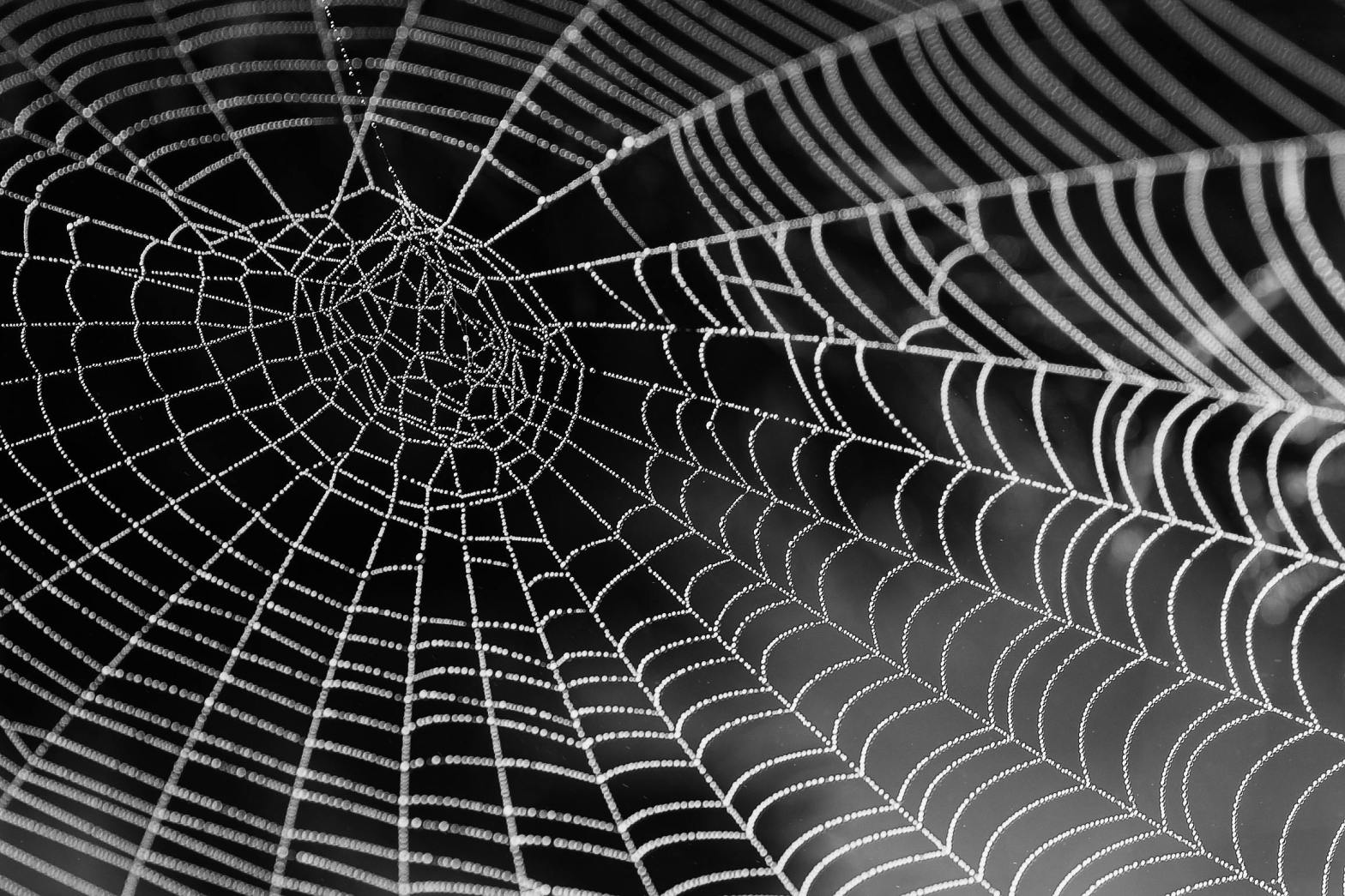
We can also learn to be afraid from watching or being around others who are scared. For example, if a parent is really afraid of spiders, a child might pick up on that fear and develop their own fear of spiders.
Phobias can also develop through experiences. For instance, if someone has a scary incident while flying on a plane, they might develop a fear of flying. The sight or thought of an airplane can then bring on a lot of anxiety.
Sometimes, we can develop fears from stories or things we see on TV or in books. For example, reading about a shark attack might make someone afraid of sharks, even if they’ve never met one in real life. The film Jaws has a lot to answer for!
Phobias have different origins, and understanding them helps us find the best ways to deal with them. Whether it’s in our genes, from scary experiences, or what we learn from others, knowing where phobias come from guides us in overcoming these fears and living fuller, happier lives.
I am fortunate that alongside my Counsellor training I also have some really great techniques that we can use together to help you let go of your fears and phobias and live life to the full.
 Victoria Warwick-Jones Counselling