
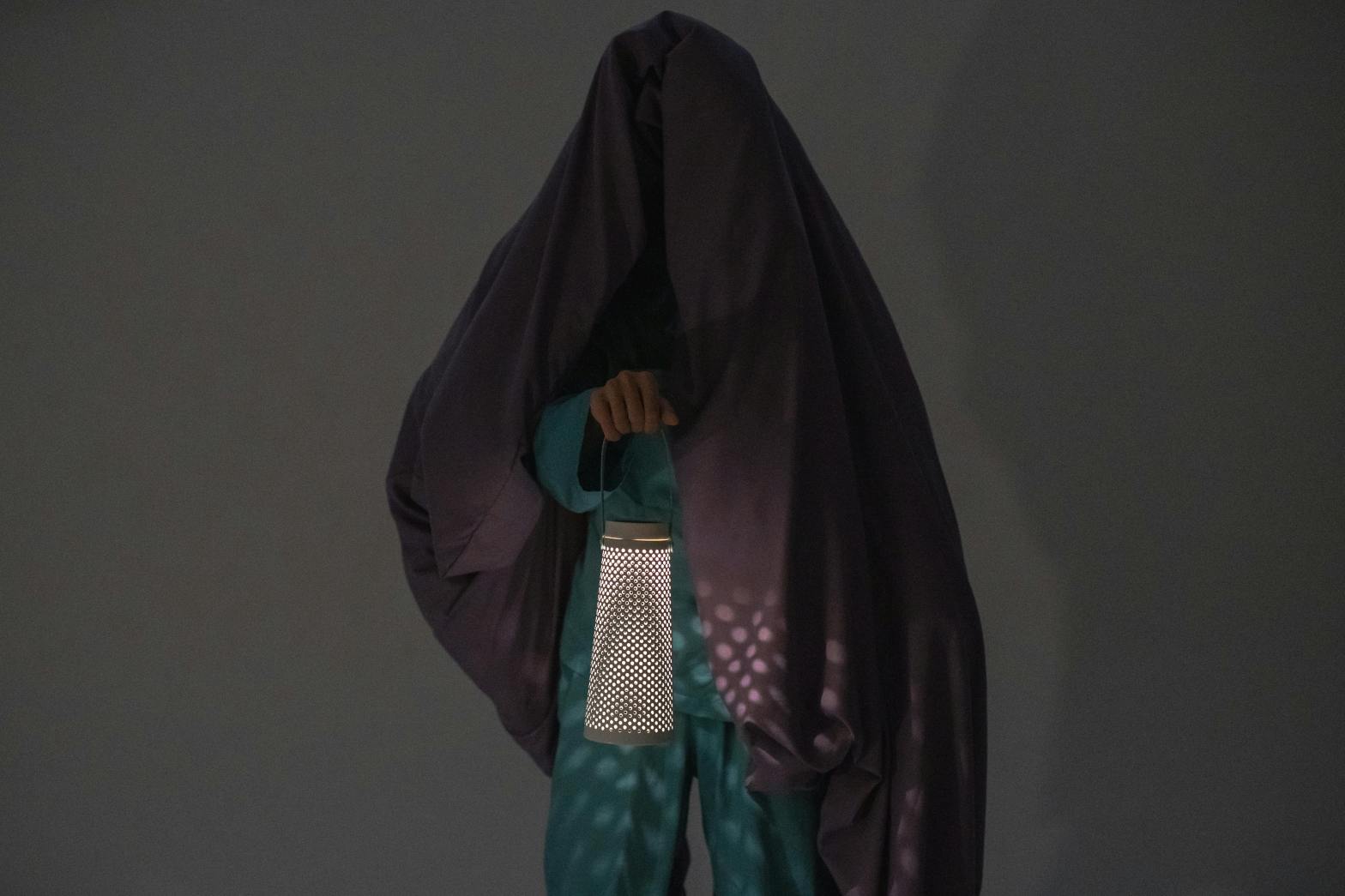
The Traitors TV show, a reality competition where contestants must work together to complete tasks while some are secretly designated as “traitors” who sabotage the group’s efforts, offers rich insights into human behavior. Here’s what the show can teach us:
- Trust and Suspicion:
The primary theme of the show is trust versus suspicion. The traitors must deceive the loyal players without revealing themselves, while the loyal players must figure out who is betraying them. This dynamic highlights how easily trust can be eroded in uncertain environments and how human beings can quickly shift from cooperation to suspicion when they feel threatened. It shows the fragility of social bonds when there’s an underlying fear of betrayal. - Group Dynamics and Cooperation:
Despite the tension, the show also requires cooperation to complete tasks. It shows how human groups can work together to achieve common goals when there’s shared purpose, but also how that cooperation can unravel when individuals are uncertain about each other’s motives. People often act based on both personal and collective goals, and the show emphasises how group dynamics change in high-stakes environments. - Psychological Manipulation:
The traitors rely heavily on psychological manipulation to mislead the group and avoid detection. This demonstrates how persuasive people can be when they need to control perceptions and influence behaviour, often by sowing doubt or appealing to emotions like fear or loyalty. The show exposes the subtle ways in which individuals can exploit social influence and emotional triggers to gain an advantage. - Human Nature and Deception:
The traitors in the show are a clear illustration of how deception plays a role in human interactions, especially when self-preservation is at stake. People often act in ways that are in their best interest, even at the expense of others. The show showcases how lying, withholding information, and strategically misleading others are sometimes necessary for survival, but also points to the moral ambiguity of such actions. - Social Bonds and Loyalty:
Loyalty is tested throughout the competition, and the tension between loyalty to the group and individual self-interest is a central conflict. The contestants’ shifting allegiances reveal how loyalty can be conditional and how individuals weigh the importance of social bonds versus personal gain. It teaches us about the limits of loyalty and how human relationships can be vulnerable to self-serving behaviors. - Fear and Anxiety in High-Stakes Situations:
The show’s format generates anxiety and fear, both for the traitors trying to avoid detection and the loyal players trying to identify the betrayers. It shows how fear of being eliminated or deceived can cause stress, paranoia, and extreme decision-making. This highlights how individuals react under pressure and how fear can distort judgment and perception. - Moral Dilemmas and Ethics:
The traitors must navigate moral dilemmas, weighing the need to betray others for their own benefit versus the ethical considerations of honesty and fairness. The game exposes how humans make ethical decisions when survival or success is at stake. It asks the question of whether the ends justify the means, which is a common dilemma in both competitive environments and real life. - Altruism vs. Self-Interest:
While the show encourages cooperation, self-interest is a powerful motivator. The contestants must decide whether to act for the good of the group or to betray others to secure their own position. The behaviour on the show reflects the tension between altruism (working for the group’s benefit) and self-interest (prioritising one’s own success or safety), a dilemma that everyone faces in various forms in everyday life. - The Power of Perception:
The game revolves around perceptions—how the traitors are perceived by others, how people interpret behaviours, and how rumours and misunderstandings can shift opinions. This teaches us how much human behaviour is based on how others perceive our actions and the often unreliable nature of those perceptions. People frequently act based on their assumptions, even when they may be wrong. - Conflict Resolution and Handling Uncertainty:
Finally, The Traitors teaches us about conflict resolution in environments filled with uncertainty. Contestants must navigate the tension of not knowing who to trust, and how they handle conflict and deceit is essential to their survival in the game. The show teaches that uncertainty and conflict can lead to both productive and destructive outcomes depending on how they are managed.
Overall, The Traitors is a fascinating exploration of how humans behave when trust, loyalty, deception, and high stakes are involved. It exposes how our psychological instincts, moral decisions, and social strategies evolve when we’re placed in a pressure-filled environment. Plus is a really good watch!
 Victoria Warwick-Jones Counselling