
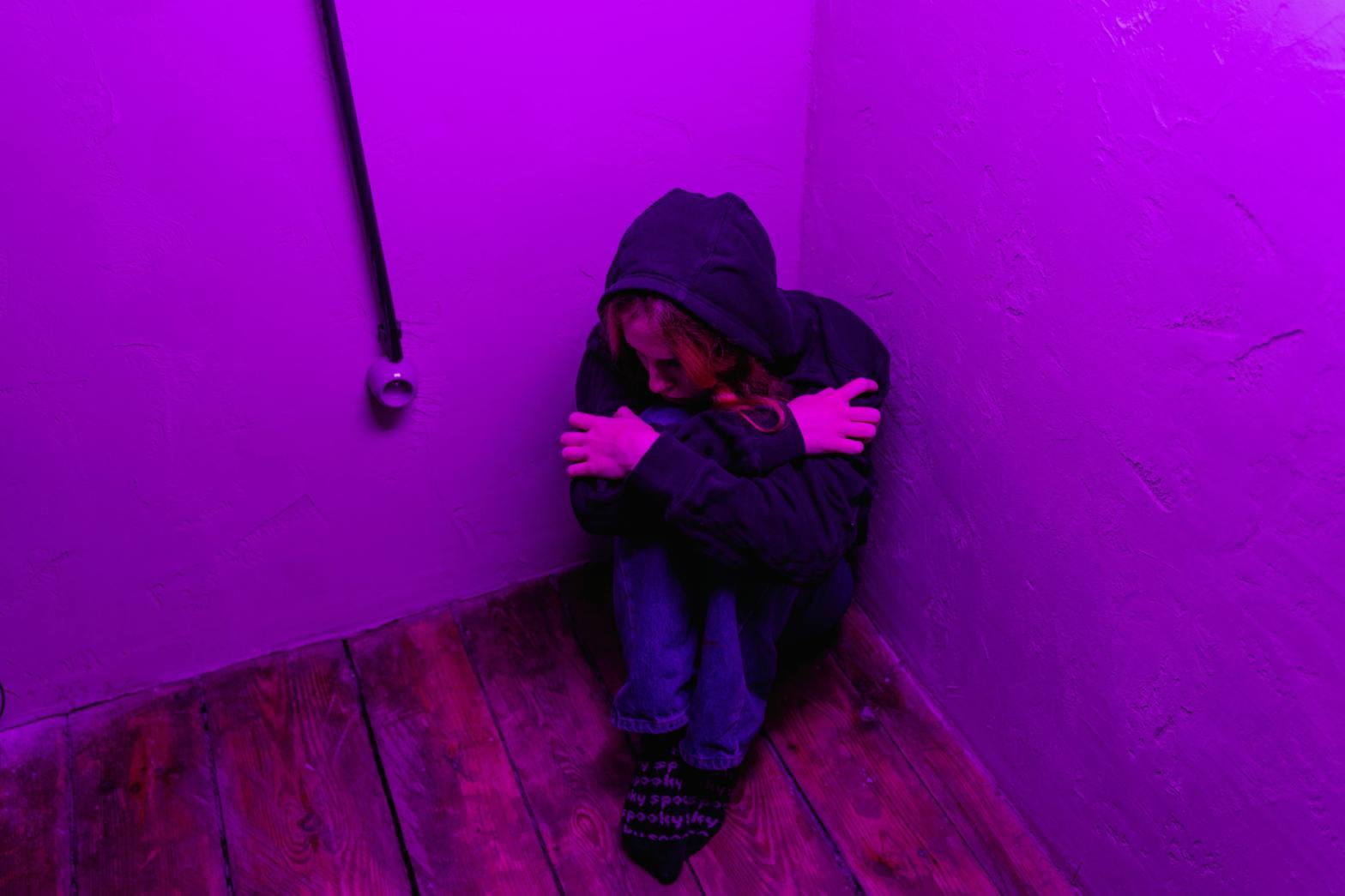
Anxiety is a natural response to stress, but when it becomes overwhelming or persistent, it can disrupt daily life. Teenagers, in particular, are highly susceptible to anxiety due to the numerous changes and pressures they experience during this stage of development. Understanding the causes, symptoms, and effective coping strategies is crucial for supporting teens through this challenging period.
Causes of Teenage Anxiety
Teen anxiety can stem from a variety of sources, including:
- Academic Pressure: The demand to excel in school, secure good grades, and prepare for the future can cause immense stress.
- Social Challenges: Peer pressure, social media influence, and struggles to fit in can significantly impact a teen’s mental well-being.
- Family Issues: Divorce, financial problems, or family conflict may contribute to anxiety.
- Hormonal Changes: Adolescence is marked by hormonal fluctuations, which can intensify feelings of stress and anxiety.
- Uncertainty About the Future: Worries about career paths, relationships, and independence can overwhelm teens.
Symptoms of Anxiety in Teens
Recognising anxiety in teenagers can be challenging, as symptoms may manifest in various ways:
- Emotional Signs: Excessive worry, irritability, or mood swings.
- Physical Symptoms: Frequent headaches, stomach aches, or fatigue.
- Behavioural Changes: Avoiding social situations, withdrawing from loved ones, or changes in sleep patterns.
- Cognitive Patterns: Difficulty concentrating, racing thoughts, or persistent fear of failure.
Coping Strategies for Teenage Anxiety
Both teens and their support networks can implement effective coping strategies to manage anxiety:
- Open Communication: Encourage teens to talk openly about their feelings without judgment. Listening attentively can help them feel validated.
- Encourage Healthy Habits: Regular exercise, balanced nutrition, and sufficient sleep can significantly improve mental well-being.
- Teach Relaxation Techniques: Breathing exercises, meditation, and mindfulness practices can reduce anxiety symptoms.
- Time Management Skills: Helping teens create a manageable schedule can reduce academic and extracurricular pressure.
- Professional Support: If anxiety persists or worsens, seeking help from a therapist or counsellor is crucial.
Supporting Teens as a Parent or Guardian
- Foster a supportive environment where teens feel safe to express their concerns.
- Celebrate their achievements, no matter how small, to boost confidence.
- Educate yourself about anxiety and mental health to better understand their struggles.
Conclusion
Teenage anxiety is a common yet manageable challenge. By understanding its causes, recognising its symptoms, and adopting effective coping strategies, teens can gain the skills needed to navigate this pivotal stage in their lives. With compassion, patience, and proper support, both teens and their families can work towards improved mental well-being and resilience.
 Victoria Warwick-Jones Counselling